Caring for linen sheets and shirts
Linen is simple to wash at home. How to load the machine, dry it with fewer creases, iron it and store it so it is ready when you need it.

Linen has a reputation for being fussy, but most linen sheets, tablecloths and shirts wash well at home. It is a strong fiber that tends to soften with washing and use. The things that usually go wrong are an overfull drum, too much heat in the dryer and putting it away damp. The advice below is general, so start with the care label on your piece.
Washing
Check the label for the temperature. Many linen sheets can be washed warm, while linen with a print, a finish or strong dyes may need cooler water. Wash white and pale linen apart from dark colors, especially new pieces, which can release some dye in their first few washes.
- Fill the drum about two-thirds full at most. Linen needs room to move, and a packed drum gives a creased, less even wash.
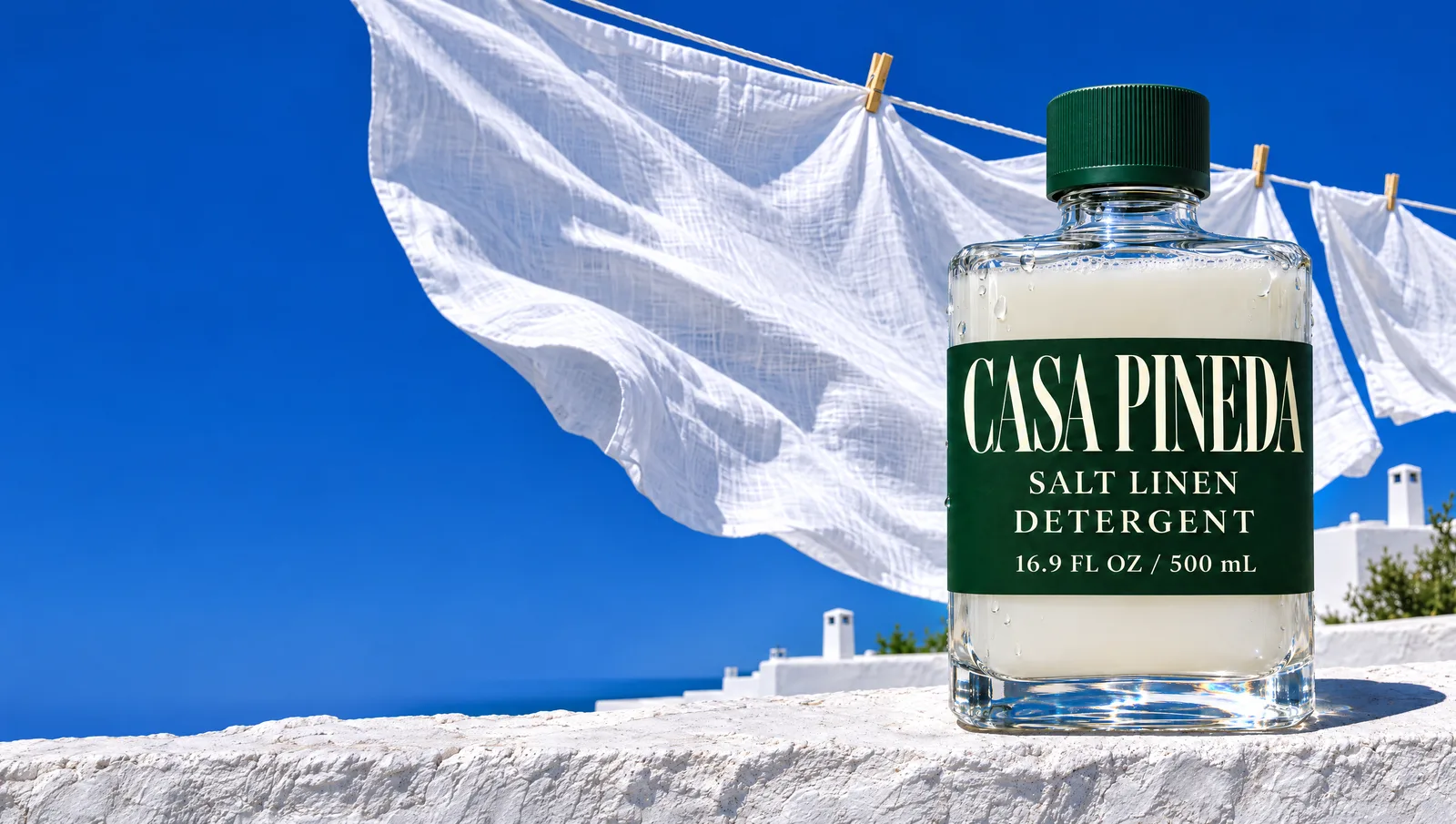
- Measure the detergent. About 30 ml of a signature detergent suits a standard load. More detergent means more rinsing, not cleaner linen.
- Fabric conditioner is optional. If you use it, add 20 ml to the softener drawer before the cycle starts.
- Choose a gentle or medium spin. A very fast spin presses in deep creases.
Drying and ironing
Linen dries quickly. A line in the shade or a drying rack suits it, and a good shake before you hang each piece makes ironing easier. If you use a tumble dryer, choose a low heat and take the linen out while it is still slightly damp. Over-drying leaves it stiff and sets the creases.
Hang linen shirts on a wide hanger as soon as the cycle ends, with the collar straightened and the front and cuffs pulled smooth by hand. Many of the smaller creases drop out on their own as the shirt dries.
Linen irons best while slightly damp, on the linen setting or as the care label says. Iron dark linen on the reverse to avoid a shine. If it has dried completely, a light mist of water or linen water gives you enough damp to work with.
Our Linen Water contains alcohol and is flammable, so use it with care. Hold the bottle about 30 cm from the fabric, mist lightly and let it settle for a moment before you iron. Never spray it near a flame or a hot stove, or onto the iron itself. On silk, dark fabric or anything that water marks, test it on an inside seam first. You can also mist a made bed from a distance for a little scent.
Storing it
Put linen away only when it is completely dry. Fold it loosely and keep it in a cool, dry, dark cupboard, on open shelves or in cotton bags rather than sealed plastic. Pale linen can yellow along the folds if it sits in light or in the same folds for months, so rotate your sets of sheets and refold anything that has not moved for a long time.
A scent sachet at the back of a shelf adds a little fragrance to the cupboard. Keep a layer of paper or cotton between the sachet and the linen, since fragrance oil can mark pale fabric, and squeeze the sachet now and then to bring the scent back.